Middle School Classes
There is a $25 per student annual registration fee.
Each a la carte class is $590 for the entire year.
This price includes any lab fees.


We Want to Reward Those Who Plan Ahead
As a thank-you for planning ahead and helping us prepare for a successful year, all families who register by June 15th will receive a 30% discount on tuition for our a la carte classes (elementary, middle, and high school). The discount does not apply to Junior Co-op.
LAF is a Direct Provider!
To cover costs for the LAF Co-op, log into your EMA account, visit the Marketplace, and choose Learning and Families from the list of direct providers. Be sure to register for classes through your Parent Portal as well, and we will apply the scholarship funds when we receive them.
- why they want to take the class
- in what ways they will demonstrate maturity and commitment
Below is our list of Middle School Co-Op Classes for the 2026/27 school year. Next to each class, we have listed the facilitator for the class, the ]time and location of the class, the course description, required materials, , and a link to email the class facilitator.
Click here to meet all of our Facilitators.

Chemistry/Physics
Facilitator: Samantha Sherfy
Course Description
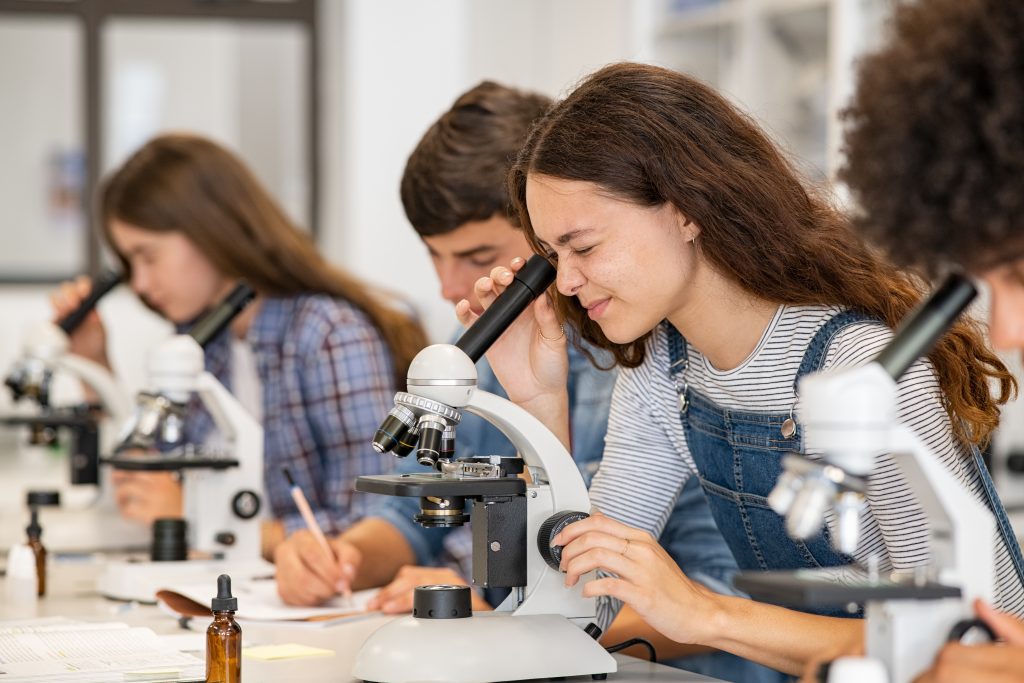
This course uses Apologia’s Exploring Creation with Chemistry and Physics to introduce students to the foundational concepts of physical science. Throughout the year, students explore topics such as the properties of matter, atoms and molecules, motion, energy, electricity, magnetism, simple machines, and the basics of chemistry and physics.
The class emphasizes hands-on learning through experiments, demonstrations, and interactive activities designed to help students understand scientific concepts in a meaningful and engaging way. Students will develop critical thinking skills, learn to make observations, record data, and apply scientific reasoning to real-world situations.
Our goal is to cultivate curiosity about God’s creation while building a strong foundation in scientific principles that will prepare students for future science studies.
Required Materials
- Apologia Exploring Creation with Chemistry and Physics
- Chemistry and Physics Junior Notebooking Journal
- Blank paper (8 ½” x 11”)
- Note paper (8 ½” x 11”/3 hole punched)
- 2″ three-ring binder with tab separators
- Folder to fit in binder (3 hole-punched)
- Lined journal
- Pencils
- Ruler
- Colored Pencils
General Science
Facilitator: Sarah Wyatt
Course Description
Required Materials
- Apologia 3rd Edition General Science (Recommended for 7th-8th grade) Textbook
- Student Workbook
- Solutions Manual + Tests
- 1-subject spiral notebook
- Pencil box/bag, pencils
- Black pens
- Highlighter
- Colored pencils
- Personal pencil sharpener
- Scissors
- Glue sticks

Earth Science
Facilitator: Samantha Sherfy
Course Description
Required Materials
- Exploring Creation with Earth Science by Apologia
- Exploring Creation with Earth Science Notebooking Journal
- Blank paper (8 ½” x 11”)
- Note paper (8 ½” x 11”/3 hole punched) 2″
- three-ring binder with tab separators
- Folder to fit in binder (3 hole-punched)
- Lined journal
- Pencils
- Ruler
- Colored Pencils
Daughters of the American Revolution Essay Contest Class
Facilitator: Jenni Stahlmann
2nd Period: 9:55–11:10
Room: 102
Course Description:
*OPEN TO STUDENTS IN 5-8TH GRADES
The DAR Essay Contest was established to encourage young people to think creatively about our nation’s great history and learn about history in a new light.
For the first half of the semester, we will do a deep dive into the history of the topic (topic announced by DAR in the last week of July). Then we will spend the rest of the semester working on the writing assignment, which will be submitted to our local DAR chapter for judging. This course will help students study for and write an excellent contest submission!
Essays are judged for historical accuracy, adherence to the topic, organization of materials, interest, originality, spelling, grammar, punctuation, and neatness.
Each student participant receives a certificate of participation from the chapter and the chapter winners receive bronze medals and certificates. State winners receive certificates and silver medals and a monetary award. National winners receive special certificates, medals, and a monetary award.
Required Materials
- 1″ 3-Ring Binder
- 5 Tab dividers
- College-ruled notebook paper
- 3 clear page-protectors
- 3-hole punched, 2-pocket folder
- Pencil case with
- pens (blue or black)
- red ink pen
- multiple highlighter colors
- post-it flags
- post-in notes
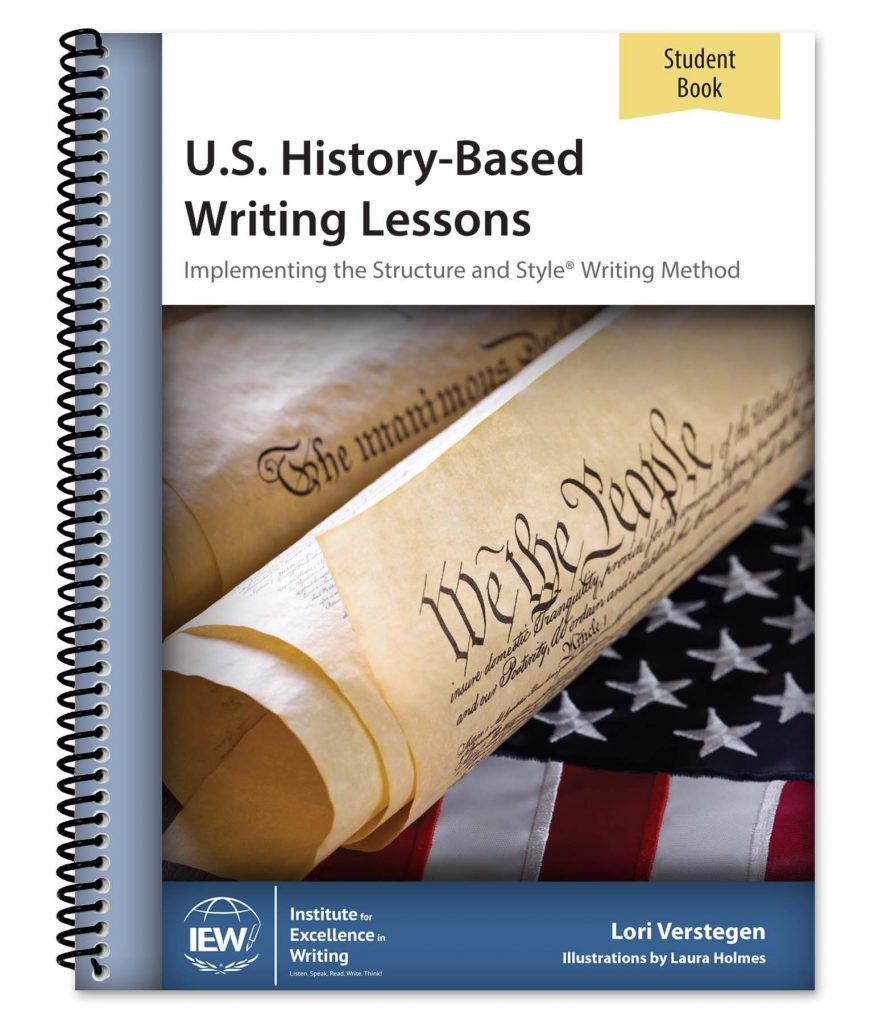
IEW Writing: U.S. History-Based Writing Lessons
Facilitator: Mrs. Taylor
Course Description:
Explore several writing styles and stylistic techniques with your student as we dive into the excellent resources curated by Andrew Pudewa. Learn how to avoid plagiarism as you share ideas from other authors or compose your own excellent creative writing pieces.
This course will give tools and plenty of encouragement to develop confidence in a reluctant writer or make your eager, budding writer more refined as we expand vocabulary, explore various essay styles, develop critical thinking skills, and practice public speaking. We will work our way up to a final 5-paragraph essay on your student’s favorite U.S. History topic.
Students are encouraged to present some of their essays in class.
Required Materials
- IEW U.S. History-Based Writing Teacher Manual
- IEW U.S. History-Based Writing Student Book
- Ruled notebook
- Pen
- Computer/printer for home use (optional, as papers could be written by hand if desired)
Recommended for Parents:
- Teaching Writing: Structure and Style — 12 DVD’s and Workbook.
- Our Mother Tongue by Nancy Wilson.

Literature 6
Facilitator: Heather Kelley
Course Description
In Literature 6, we will explore Literary Analysis, Figurative Language, various genres of Prose and Poetry all through the active discussion of award-winning books. The book selection covers a variety of genres from Survivalist, to Realistic Fiction, Graphic Memoirs to books written in Free Verse.
At the end of the year, students will be able to reiterate the major plot points of a story’s arc, take quality notes during class, observe various forms of literary conflict and characterizations, among many other literary analysis skills. In addition, students will have a new appreciation for the myriad cultures throughout the world as they learn about life from almost every continent while traveling through the pages of world literature.
Required Materials
- 1 1/2” Binder
- 10 Binder dividers
- Loose-leaf paper
- pens
- pencils
- eraser
- highlighters
- Post-it notes.
Booklist
- Song for a Whale by Lynne Kelley
- The Kite Fighters by Linda Sue Park
- The Boy in the Striped Pajamas by John Boyne
- Inside Out and Back Again by Thanhha Lai
- When Stars Are Scattered by Victoria Jameson and Omar Mohamed

Literature 7/8
Facilitator: Heather Kelley
5th Period: 2:30–3:45
Course Description
Required Materials
- 1 1/2” Binder
- Loose-leaf paper
- 10 dividers
- pens
- pencils
- erasers
- 6 colors of highlighters (pink, orange, yellow, blue, green, violet)
- Post-it notes
Booklist
- White Fang by Jack London
- The Outsiders by S. E. Hinton
- Farewell to Manzanar by Jean Wakatsuki Houston and James D. Houston
- Out of the Dust by Karen Hesse
- The Giver by Lois Lowry
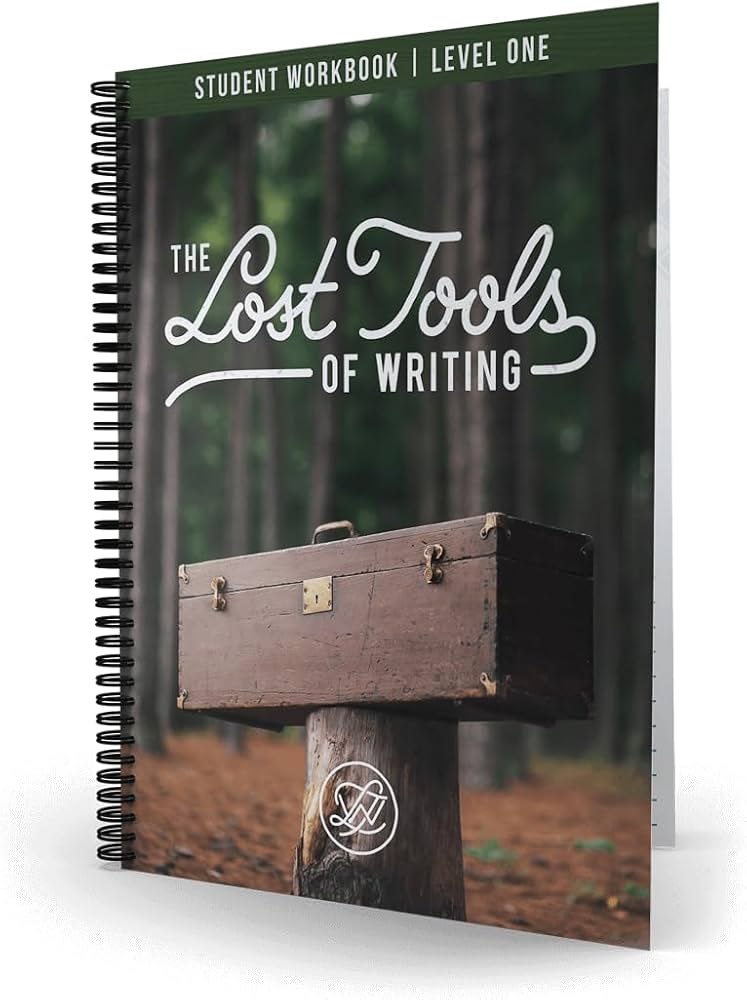
Lost Tools of Writing
Facilitator: Mrs. Taylor
Course Description
Required Materials
- Lost Tools of Writing Level One Teacher Manual (gives access to instructional videos)
- Lost Tools of Writing Student Workbook (Please Note: A Student’s Workbook must be purchased for each student who will use the program. Per copyright rules, worksheets may not be photocopied.)
- Lined notebook
- Computer/printer for home use (optional, as papers could be written by hand if desired)
- Pen
Write a Play (Fall Semester)
Facilitator: Jenni Stahlmann
Course Description
In this one-semester class, we will study the elements of storytelling and the use of dialogue in playwriting. As a class, we will co-write a play and submit it the Florida Studio Theatre Young Playwrights Festival. Each student will also write a play that will be submitted to the Young Playwrights Festival.
As part of our study, we will read a play together and also study a handful of small plays.
As a class, we will attend three performances at Florida Studio Theatre. Admission price and dates for the plays will be announced in the summer
Required Materials
- The Miracle Worker by William Gibson
- 1″ binder
- Loose-leaf paper
- Pens
- Pencils
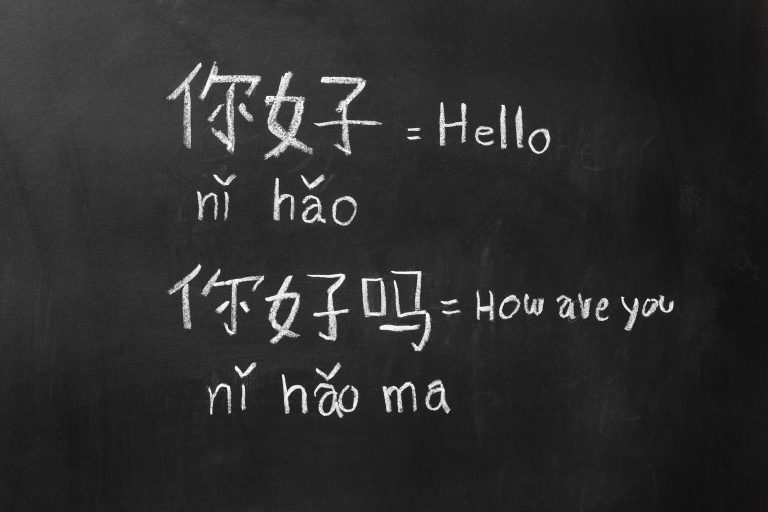
Chinese
Facilitator: Jing Herman
Course Description
In this class, we will learn to speak and write simple Mandarin Chinese characters. We will practice writing with water on a Chinese writing cloth/board; it will look like black ink, but it’s only using water, so no mess! Kids will practice speaking with partners and also put together an interactive project, like a pretend Chinese restaurant. Families are welcome to do Chinese on Duolingo as a supplement.
Required Materials
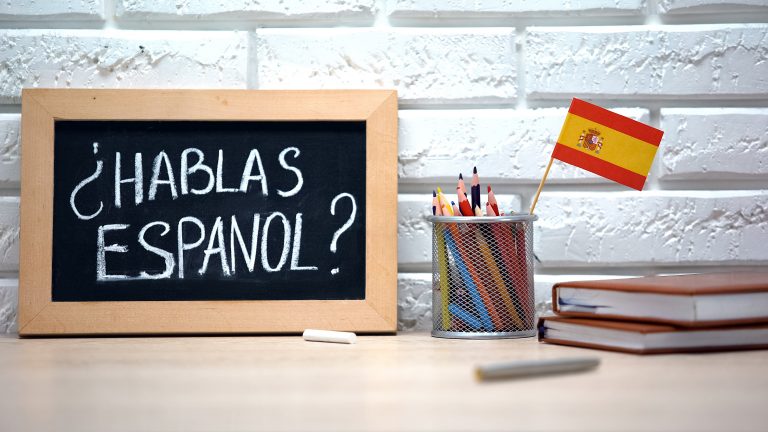
Living Spanish
Facilitator: Janessa Godber
Course Description
In this class, we will be treating Spanish as a tool for communication, not just a subject to be studied. Using unit studies provided by TalkBox.Mom, this immersive approach is designed to get students speaking Spanish from day one by focusing on real-life application rather than rote memorization.
By utilizing the TalkBox.Mom curriculum, we will be moving away from traditional grammar drills, and instead we will be focusing on “living the language” through daily routines and hands-on activities. Each unit centers around a specific theme—such as the food, hygiene, the garden, or the schoolroom—allowing students to acquire vocabulary in the context where they will actually use it. In addition, we will be delving into the cultures and geography of some Spanish-speaking countries to aid in bringing the Spanish language to life.
Required Materials
- TalkBox.Mom Curriculum (optional, but very useful for continuing studies at home)
- More Coming Soon
American History
Facilitator: Sarah Wyatt
Course Description
In this class, we will walk through our history through group presentations, reenactments, socratic seminars, and more. We will bring history to life by sharing our biblical worldview and personal life experiences with each other. History is not meant to just be read about at home; it is meant to be experienced as a community!
Required Materials
- Notgrass History’s The America the Beautiful Curriculum Package (5th-8th grade)
- Pencil box/bag
- Pencils
- Highlighter
- Crayola markers (skinny or wide)
- Scissors
- Glue
- Notebook

Civics (Good and Beautiful)
Facilitator: Samantha Sherfy
Course Description
Has your student ever asked, “What is my role in society?”
In this course, we’ll explore that question by breaking down the structure and function of our government. Together, we’ll dive into what it truly means to be a citizen—examining our rights, our duties, and our responsibilities within a democratic society. By understanding how our government works and how individuals can make an impact, students will be empowered to become thoughtful, informed, and active members of their communities.
Required Materials
- US Constitution and Government Course Book by the Good and the Beautiful
- US Constitution and Government Student Journal: One Per Child Grades 4–8
- Mystery on Constitution Island
- Notebook paper (8 ½” x 11”/3 hole punched)
- Blank (unlined) paper (8 ½” x 11”) 2″
- three-ring binder with tab separators
- Folder to fit in binder (3 hole-punched)
- Lined Journal
- Pencils
- Erasable gel pens
- Dictionary – Webster’s Dictionary for Students, Special Encyclopedic, Sixth Edition, Newest Edition -$6.49 on amazon
- Manila envelopes – 25 Pack 9 x 12 – $6.79 on Amazon
Daughters of the American Revolution Essay Contest Class (Fall Semester)
Facilitator: Jenni Stahlmann
2nd Period: 9:55–11:10
Room: 102
Course Description:
*OPEN TO STUDENTS IN 5-8TH GRADES
The DAR Essay Contest was established to encourage young people to think creatively about our nation’s great history and learn about history in a new light.
For the first half of the semester, we will do a deep dive into the history of the topic (topic announced by DAR in the last week of July). Then we will spend the rest of the semester working on the writing assignment, which will be submitted to our local DAR chapter for judging. This course will help students study for and write an excellent contest submission!
Essays are judged for historical accuracy, adherence to the topic, organization of materials, interest, originality, spelling, grammar, punctuation, and neatness.
Each student participant receives a certificate of participation from the chapter and the chapter winners receive bronze medals and certificates. State winners receive certificates and silver medals and a monetary award. National winners receive special certificates, medals, and a monetary award.
Required Materials
- 1″ 3-Ring Binder
- 5 Tab dividers
- College-ruled notebook paper
- 3 clear page-protectors
- 3-hole punched, 2-pocket folder
- Pencil case with
- pens (blue or black)
- red ink pen
- multiple highlighter colors
- post-it flags
- post-in notes
Story of the World (Middle Ages)
Facilitator: Samantha Sherfy
Course Description
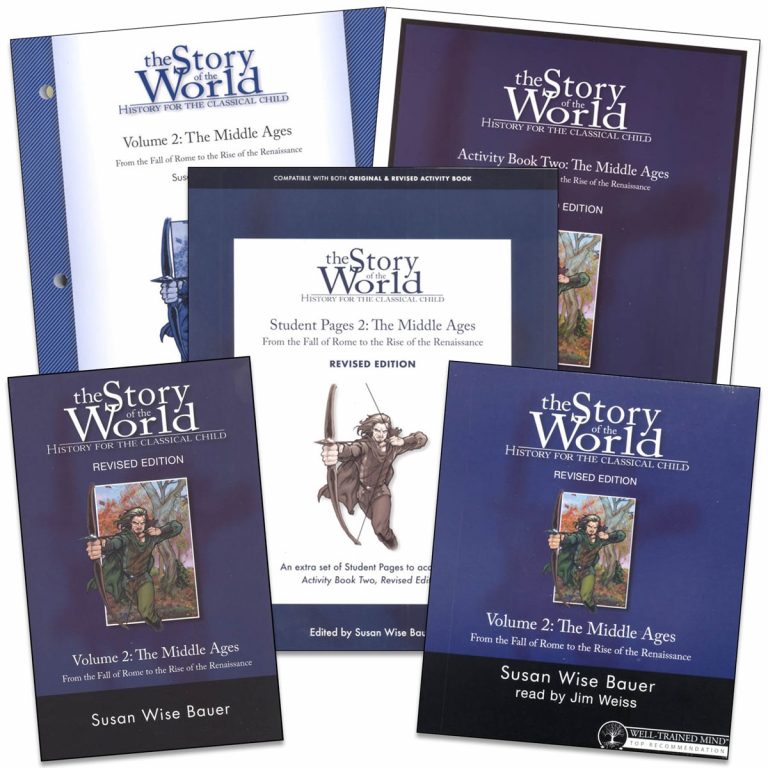
This course uses Story of the World: The Middle Ages to guide students through the rich and fascinating history of the world from the fall of Rome through the late medieval period. Students will explore the rise and fall of empires, the growth of Christianity and Islam, the feudal system, knights and castles, the Crusades, medieval Africa and Asia, and the cultural developments that shaped the modern world.
Through engaging readings, discussions, map work, and hands-on activities, students will build a strong understanding of historical events while developing critical thinking and analytical skills. Emphasis is placed on understanding cause and effect, recognizing historical connections across cultures, and appreciating the diverse people and civilizations that influenced this era.
Our goal is to make history come alive while helping students develop a meaningful understanding of the Middle Ages and its lasting impact on today’s world.
Required Materials
- Story of the World, Vol. 2: History for the Classical Child: The Middle Ages Book by Susan Wise Bauer
- Blank paper (8 ½” x 11”)
- Note paper (8 ½” x 11”/3 hole punched) 2″
- three-ring binder with tab separators
- Folder to fit in binder (3 hole-punched)
- Lined journal
- Pencils
- Ruler
- Colored Pencils

Bible Overview (SPRING)
Facilitator: Jenni Stahlmann
Course Description
“Nothing less than a whole Bible can make a whole Christian.”― AW Tozer
This class offers a bird ’s-eye view of the Bible’s metanarrative—the Big Story of the Bible, a 3,000-foot view of the over-arching story. We will do an overview of the Bible sections below. As we learn, we will create a basic timeline of major events, pages for key people in the Bible, a Glossary, and maps.
- The Torah
- The History of the Israelites
- The Wisdom Literature
- The Major Prophets
- The Minor Prophets
- The Gospels and Acts
- The Pauline Epistles
- The General Epistles
- Revelation
Required Materials
- 1 1/2″ 3-Ring Binder
- FIVE Tab Dividers labeled
- Handouts
- Glossary
- Timeline
- People
- Maps
- Pens, Sharpie, Glue Sticks, Scissors
- Lined Notebook Paper (to use in binder)
- 2 page protectors (for your syllabus)
- Three-hole punched, two-pocket folder
- Adam and His Kin by Ruth Beechick
- The Complete Children’s Bible Atlas

Girls Bible Study
Facilitator: Amilee Sanders
Course Description
This class is designed to help middle and high school girls develop a deeper understanding of God’s Word and learn how to apply it to everyday life. Together we will explore practical tools for studying the Bible, learning how to observe, interpret, and apply Scripture for ourselves rather than simply relying on what others say.
Students will also discover what the Bible teaches about spiritual gifts and how God uniquely equips each believer to serve Him and others. Through guided discussions and assessments, girls will begin to recognize their own strengths and how they can use them for God’s purposes.
We will also look at what the Bible says about worry and anxiety, learning practical, faith-centered ways to replace fear with trust in God’s promises.
Required Materials
- Binder
- pencils
- markers
- Bible
- notebook paper
Book List
Lessons From Proverbs (SPRING)
Facilitator: Jenni Stahlmann
Course Description
Lessons from Proverbs explores the wisdom of the book of Proverbs and its relevance to everyday life. Students will examine key themes such as wisdom, character, speech, work ethic, relationships, and decision-making, learning how these principles apply in real-world situations.
Through guided discussion, journaling, and practical application, students will not only study the text but also reflect on how its teachings shape personal growth and integrity. The course encourages critical thinking, meaningful conversation, and the development of discernment—helping students recognize wise choices and avoid common pitfalls.
Designed for both middle and high school students, this class creates a respectful environment where students can explore big ideas, ask questions, and build a strong foundation for wise living. Whether analyzing a single proverb or connecting themes across the book, students will come away with insights they can carry into school, relationships, and future decisions.
Required Materials
- Bible
- 1″ Binder
- Loose-leaf paper
- Pens in various ink colors
- Various highlighter colors
- Fine Tip Sharpie
- Post-It Tabs
- Journal

Advanced Java
Facilitator: Kai Kishpaugh
Course Description
This course introduces AP Computer Science–level material along with data structures and algorithms typically found in sophomore- or junior-level college computer science courses.
Required Materials
- Prior Python experience or a passing score on a coding assessment
- A solid understanding of loops, conditionals, variables, lists, and functions
- Readily portable computer with internet capabilities

Beginner Coding with Python
Facilitator: Kai Kishpaugh
Course Description

Digital Media (Social Media Marketing)
Facilitator: Chuck Mielke
Course Description
Required Materials
- Digital Camera that films in at least 1080 resolution (newer phone camera is probably sufficient);
- computer capable of internet access (preferably an Apple computer with an M2 or newer processor).
NOTE* An iPad or tablet is not sufficient for video editing.

Game Development with Scratch
Facilitator: Kai Kishpaugh
Course Description
Lego Engineering
Facilitator: Chuck Mielke
Course Description
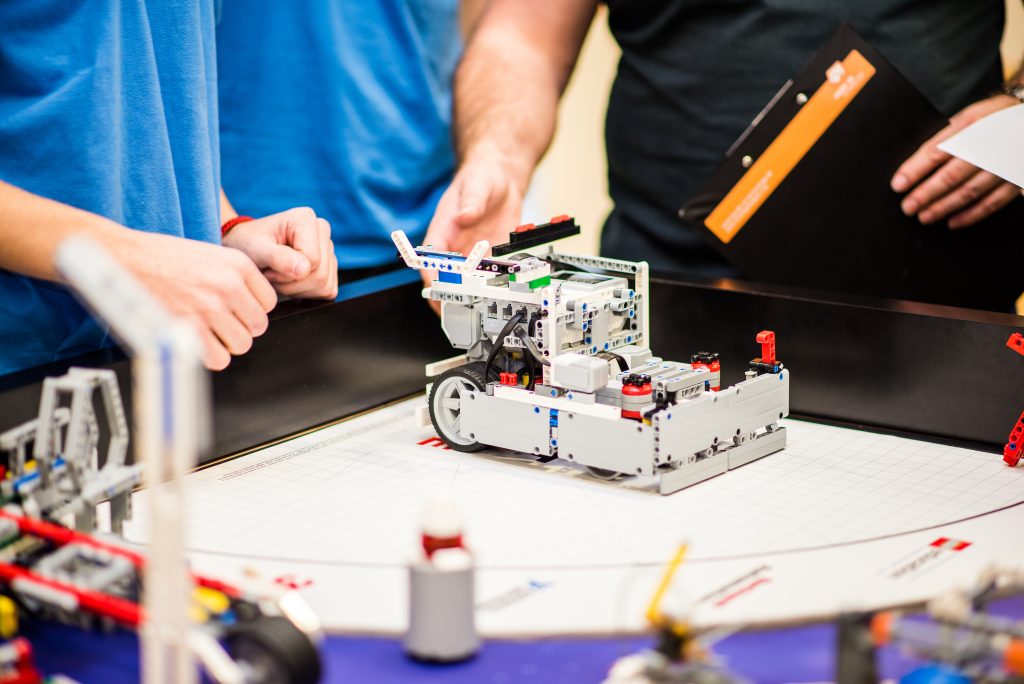
Robotics
Facilitator: Kai Kishpaugh
Course Description

Art
Facilitator: Ella Pena
Course Description
Comics and Illustration
Facilitator: Ella Pena
Course Description
- Maintaining a sketchbook and filling it with characters, creatures, and ideas
- Pen and ink techniques used by real comic artists
- Lettering and word bubbles
- Character design, from first sketch to finished look
- Building multi-panel comics from thumbnail to final page
- Live sketching from real life subjects and how we use live reference for comic ideas and character design
- Printing your characters onto stickers and t-shirts
- A final portfolio showcase of your best work from the year
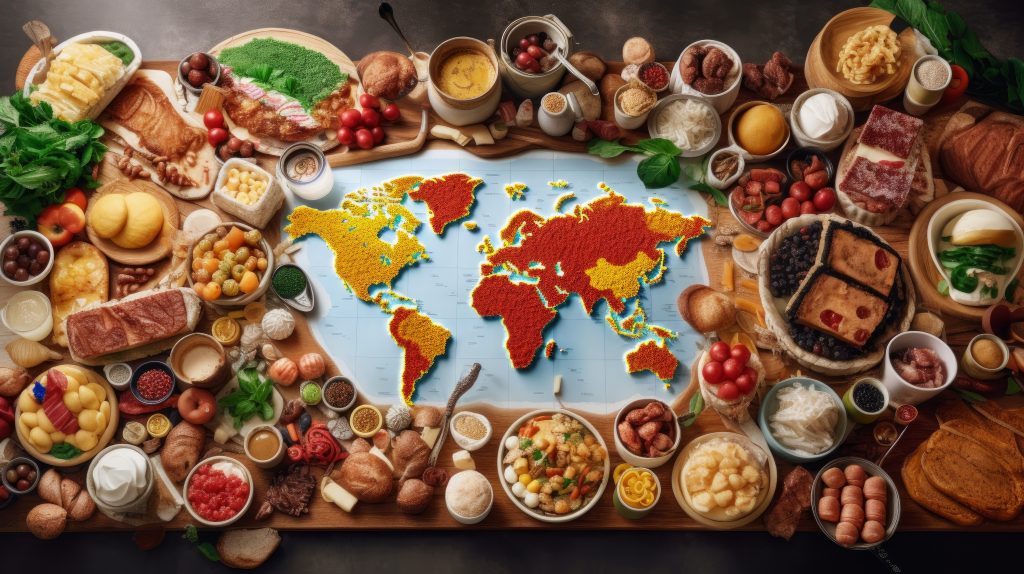
Cooking Around the Globe
Facilitator: Andrea Healey
Course Description
Embark on a culinary journey across continents as we explore how culture, geography, and tradition shape the world’s flavors. Students will dive into a new country’s cuisine, learning how signature herbs, spices, and cooking techniques tell the story of that region’s identity. From aromatic spice blends to vibrant sauces and bold flavor pairings, students will gain a deeper understanding of how food reflects history, community, and creativity.
This is a hands-on, flavor-forward class designed for students who are ready to expand their palate and cook with confidence. We will discuss the origins of each dish, examine the ingredients that define a culture’s cuisine, and practice techniques that bring those flavors to life.
Important Notes:
- Students must be willing to experiment with new ingredients, spices, and global flavor profiles.
- Recipes must be followed as written to ensure authentic results and proper technique.
- This class is not allergy-friendly. Substitutions for food allergies or dietary restrictions cannot be accommodated and may affect the dish’s outcome.
- This is a fast‑paced, advanced‑level cooking class. Students must already have solid kitchen skills, including confident knife work, safe chopping, and the ability to cook independently without step‑by‑step assistance.
Students who join this class should come ready to be bold, curious, and adventurous as we cook our way around the world.
Required Materials
Apron
Hair net
Crockpot
Power Strip
Extension Cord 10 or 12 gauge cord
1-½” Binder
Tab Dividers
Page Protectors
Knife Set
Oven Mits
Cutting Board
Measuring Cups and Spoons
Cooking Utensils (Ex. Spatula, Large Spoon, Tongs, Whisk, etc.)
Cooking Utensils (Ex. Spatula, Large Spoon, Tongs, Whisk, etc.)
Two-Burner Hot Plate
Pots and Pans (Ex. Sauce Pan, Frying Pan, Soup Pot, etc.)
Mixing Bowls
Strainer
Peeler
Can Opener
Scissors
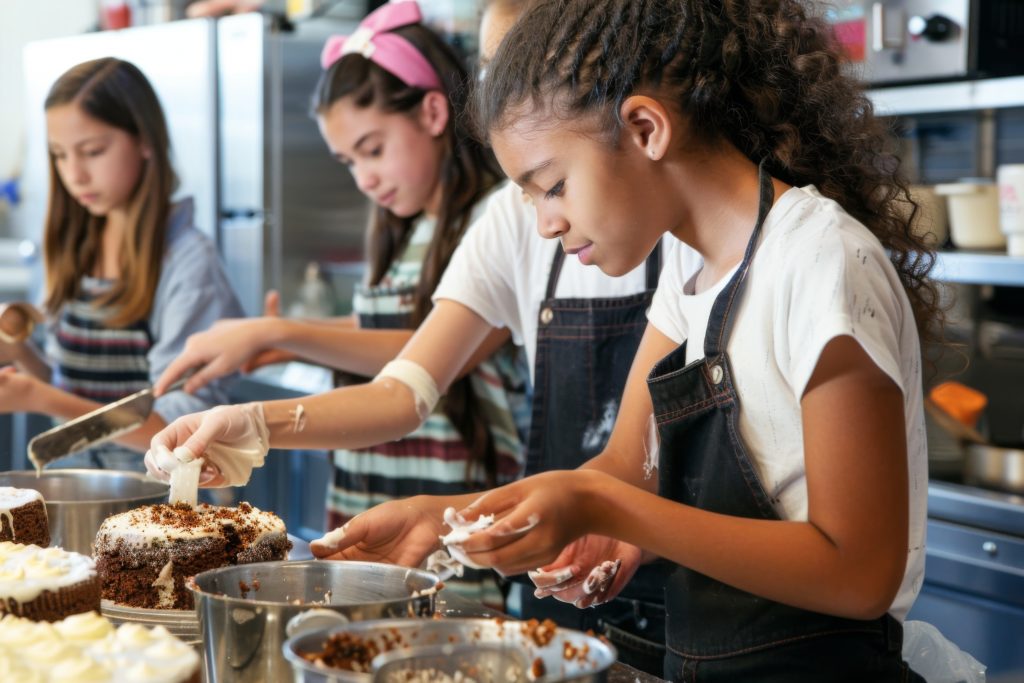
Culinary Science
Facilitator: Andrea Healey
Course Description
Required Materials
Apron
Hair net
Crockpot
Power Strip
Extension Cord 10 or 12 gauge cord
1-½” Binder
Tab Dividers
Page Protectors
Knife Set
Oven Mits
Cutting Board
Measuring Cups and Spoons
Cooking Utensils (Ex. Spatula, Large Spoon, Tongs, Whisk, etc.)
Cooking Utensils (Ex. Spatula, Large Spoon, Tongs, Whisk, etc.)
Two-Burner Hot Plate
Pots and Pans (Ex. Sauce Pan, Frying Pan, Soup Pot, etc.)
Mixing Bowls
Strainer
Peeler
Can Opener
Scissors
Gardening
Facilitator: Janessa Godber
Course Description
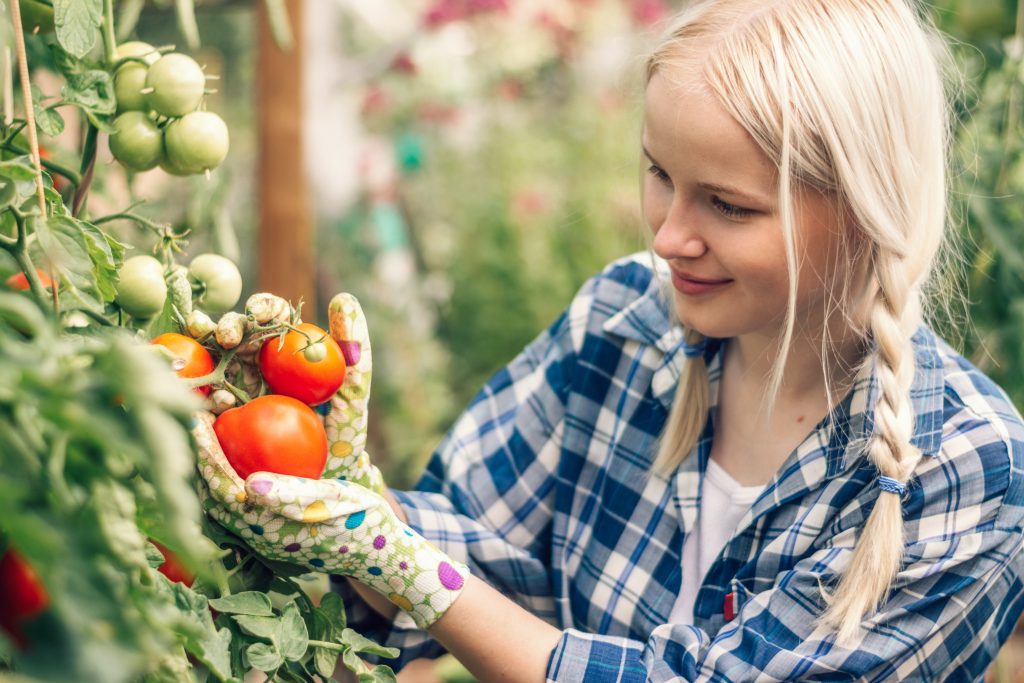
In this learner-led class, young heroes will be given the opportunity to transform a patch of Florida soil into a thriving ecosystem. Students will move beyond traditional “how-to” instruction in this course and begin to problem solve through research, and trial and error. The Socratic method will be used to challenge students to solve the real-world problems of a Florida grower: unpredictable pests, sandy soil, and the intense subtropical sun. They will also have to solve the problem of what happens with the garden when everyone is off site for a week along with solving these problems within their given budget.
Learners will take full ownership of their plots, moving from “Apprentice” to “Master Gardener” as they prepare for two major public exhibitions that test their skills, business acumen, and scientific understanding.
Required Materials
- Students should have a laptop for research purposes to use in class.
Home Apothecary and Gardening (Rooted in Creation)
(4th – 12th grades)
Facilitator: Erin Aleo
Room: 428
Course Description
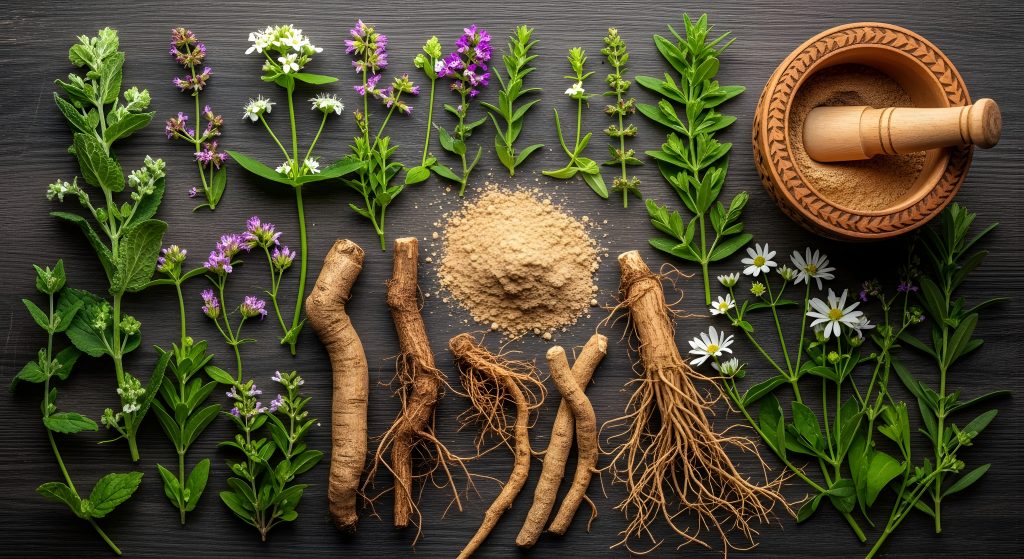
“Their fruit will be for food, and their leaves for healing.”—Ezekiel 47:12 In this hands-on class, students will explore God’s creation through plants, natural remedies, and traditional homestead skills. Each week, we will learn about herbs and their uses while making practical items such as salves, herbal oils, teas, soaps, sprays, and more. Rooted in a biblical perspective, students will be encouraged to see the beauty, purpose, and provision God has placed in the natural world.
This class emphasizes simple skills that can be used in everyday life, along with creativity, stewardship, and appreciation for God’s design. Students will leave with a variety of handmade items and a growing understanding of how plants can be used in the home.
Required Materials
- 3-ring binder
- Page protectors
- Pencils
- Colored pencils
- Crayons (K–3rd grade)
How to Run a Business
Facilitator: Bonnet Charles
Room: TBA
Course Description
Required Materials
Notebook or binder for notes and assignments
Pens/pencils
Folder for handouts
Access to a laptop or computer for business projects and research
Calculator for budgeting, pricing, and profit activities
Optional Materials
Colored pencils or markers for branding and poster projects
Access to Google Docs, Slides, or Microsoft Office for presentations and business plan work

Photography
Facilitator: Bonnet Charles
Course Description
Required Materials
- Camera
Woodworking
Facilitator: Rob Bitz, Keegan Climo, Corey Gens
Course Description
Required Materials
- Pencil
- Paper
- Tape measure (at least 12 feet)

Writing and Recording Music
Facilitator: Kai Kishpaugh
Course Description
Required Materials
- Readily portable computer with internet capabilities
- Keyboard and/or guitar
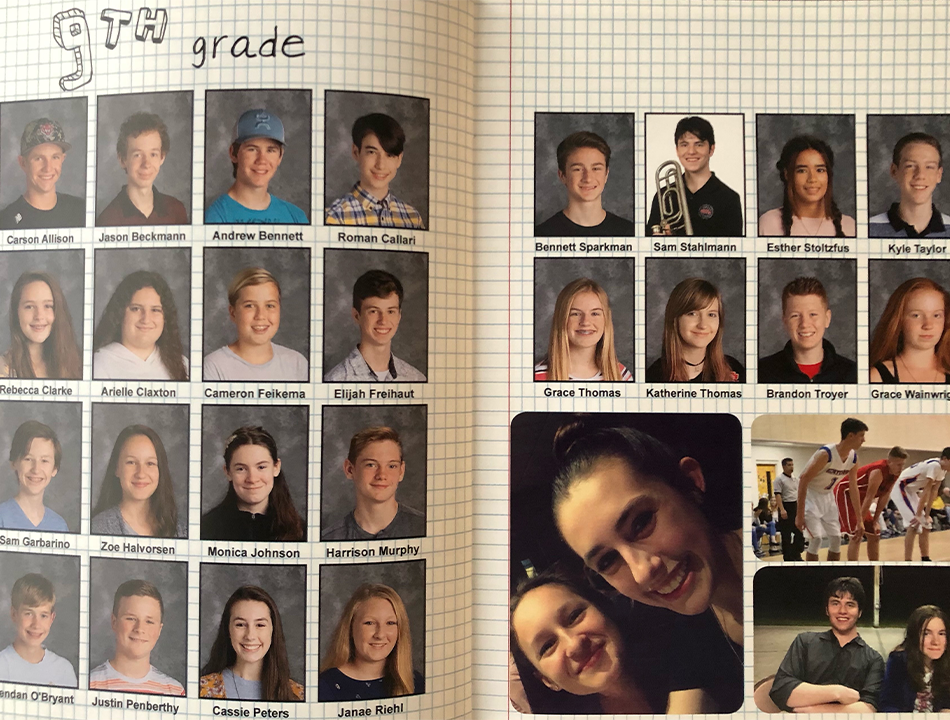
Yearbook and Visual Storytelling
Facilitator: Bonnet Charles
Course Description
Required Materials
- Laptop with Internet Capability