High School Classes
There is a $25 per student annual registration fee.
Each a la carte class is $590 for the entire year.
This price includes any lab fees.
We Want to Reward Those Who Plan Ahead
As a thank-you for planning ahead and helping us prepare for a successful year, all families who register by June 15th will receive a 30% discount on tuition for our a la carte classes (elementary, middle, and high school). The discount does not apply to Junior Co-op.
LAF is a Direct Provider!
To cover costs for the LAF Co-op, log into your EMA account, visit the Marketplace, and choose Learning and Families from the list of direct providers. Be sure to register for classes through your Parent Portal as well, and we will apply the scholarship funds when we receive them.
- why they want to take the class
- in what ways they will demonstrate maturity and commitment
Below is our list of High School Co-op Classes for the 2026/2027 school year. Next to each class, we have listed the facilitator, the class time and location, the course description, and the required materials.
Click here to meet our High School Facilitators.
Biology
Facilitator: Joanne Davis
Room: 322
Course Description
- cell structure and processes
- genetics
- classification and studies of each Kingdom
- discussion of ethical issues from a Biblical worldview.
Lab activities include microscope examinations, microbiology culture, and dissections.
Required Materials
Chemistry (Honors)
Facilitator: TBA
Course Description
Required Materials
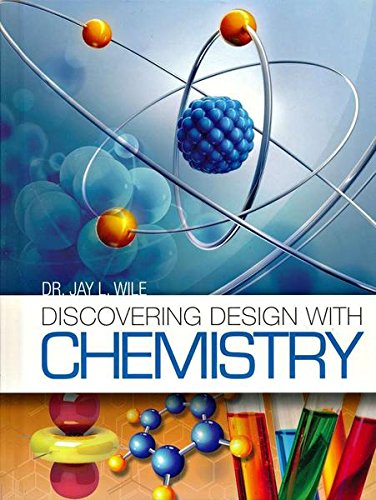
- Discovering Design with Chemistry by Dr. Jay Wile
- Pencils
- A notebook for class notes and homework (or two separate notebooks if desired)
- Carbonless laboratory notebook (may find on Amazon)
- Scientific Calculator (i.e. TI-30X IIS or better recommended)

Marine Biology
Facilitator: Melanie Welch
Course Description
Required Materials:
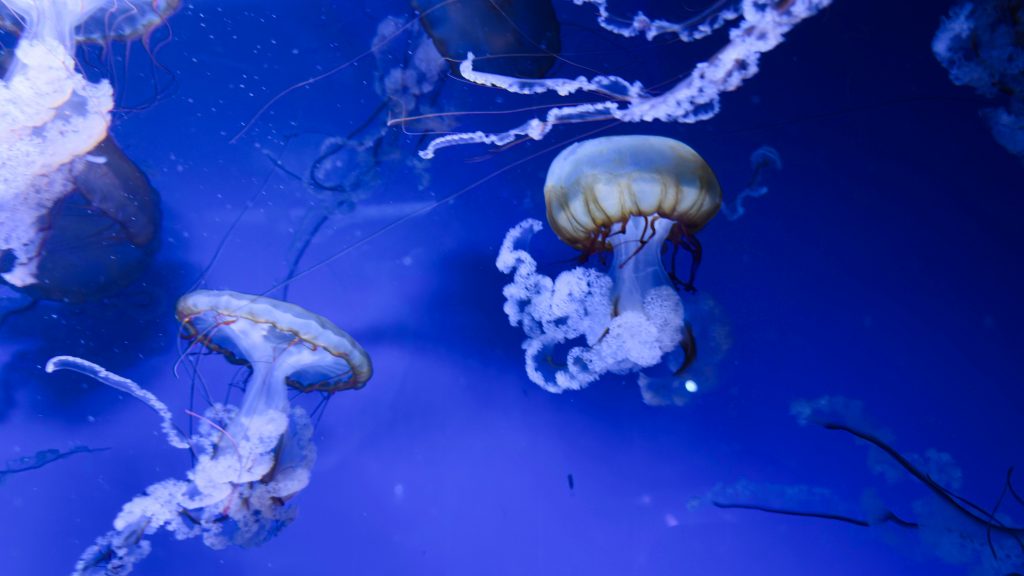
- Apologia’s Exploring Creation with Marine Biology, 2nd Edition
Academic Writing
Facilitator: Gracie Isenor
1st Period: 8:30 – 9:45
Course Description:
Required Materials:
American Literature
Facilitator: Kim Thomson
Course Description:
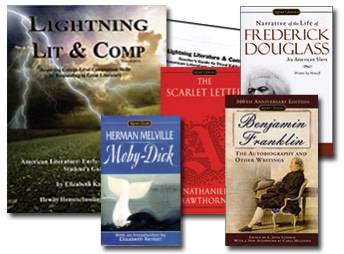
This course is a high school college-preparatory literature and writing course designed with Hewitt High School Lightning Literature and Composition guides. Hewitt’s Lightning Literature guides provide lessons in literature that will help your student’s reading comprehension, love of books, and their writing as well.
For this course, students read eight unabridged books along with short stories, poems, and other shorter literary works that are included within the student guides.
Required Materials:
(1st semester)
- Lightning Lit. & Composition: American Literature Early-Mid 19 th Century Student Guide
(2nd semester)
- Lightning Lit. & Composition: American Literature Mid-Late 19 th Century Student Guide
- 8 Unabridged novels (see below for details)
- 3 subject spiral notebook
1st Semester Novels:
- Benjamin Franklin (nonfiction: Autobiography)
- Frederick Douglas (nonfiction: Narrative)
- The Scarlet Letter, by Nathaniel Hawthorne
- Moby Dick, by Herman Melville
2nd Semester Novels:
- Uncle Tom’s Cabin, by Harriet Beecher Stowe
- Huckleberry Finn, by Mark Twain
- The Red Badge of Courage, by Stephen Crane
- The Call of the Wild, by Jack London
British Literature
Facilitator: Kim Thomson
Course Description:
This course is a high school college-preparatory literature and writing course designed with Hewitt High School Lightning Literature and Composition guides. Hewitt’s Lightning Literature guides provide lessons in literature that will help your student’s reading comprehension, love of books, and their writing as well.
For this course, students read seven unabridged books along with short stories, poems, and other shorter literary works that are included within the student guides.
Required Materials:
- Lightning Literature and Composition: British Early-Mid 19th Century Student Guide
- Lightning Literature and Composition: British Mid-Late 19th Century Student Guide
- Pride and Prejudice, by Jane Austen
- Ivanhoe, by Sir Walter Scott
- Frankenstein, by Mary Shelley
- Jane Eyre, by Charlotte Bronte
- Silas Marner, by George Eliot
- Great Expectations, by Charles Dickens
- The Importance of Being Earnest, by Oscar Wilde
- 3-subject spiral notebook
Creative Writing
Facilitator: Melanie Welch
Course Description
Required Materials
- 7 Sisters Writing Curriculum
- Rhyming dictionary
- Thesaurus
- Notebook Journal (composition notebook)
- Pencils
Writing & Public Speaking
Facilitator: Tanya Taylor
Course Description
Public Speaking meets Lost Tools of Writing! This course will focus on thinking, writing, and speaking skills utilizing the Lost Tools of Writing curriculum and will explore the following types of speeches:
- Impromptu
- Apologetics
- Informative
- Persuasive
- Open Interpretation
- Biblical
- Digital
Students will participate in a competitive mini-tournament and a formal debate once each semester.
Required Material
- Lost Tools of Writing
- Ruled notebook and pen
- Laptop (for Digital presentations only)
- Printer for home use, or the speeches can be written by hand
Chinese
Facilitator: Jing Herman
Course Description
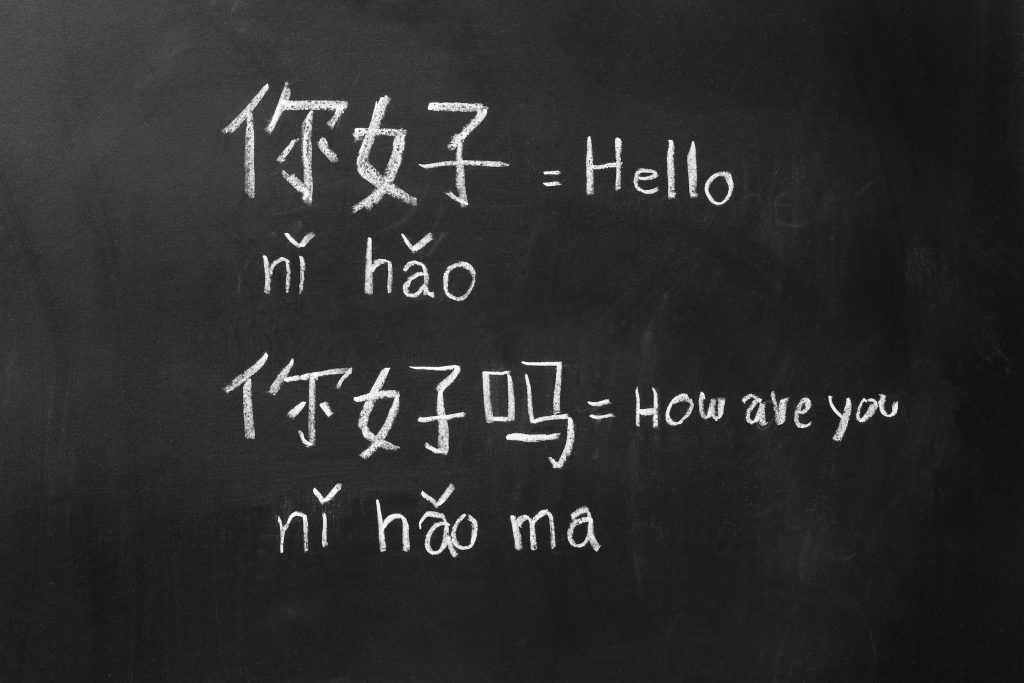
We will learn to speak and write simple Mandarin Chinese characters. We will practice writing with water on a Chinese writing cloth/board, it will look like black ink but it’s only using water, so no mess! Students will practice speaking with each other in partners and also put together interactive project like a pretend Chinese restaurant. Families are welcome to do Chinese on Duolingo as a supplement.
Required Materials
American History
Facilitator: Kim Thomson
Course Description:
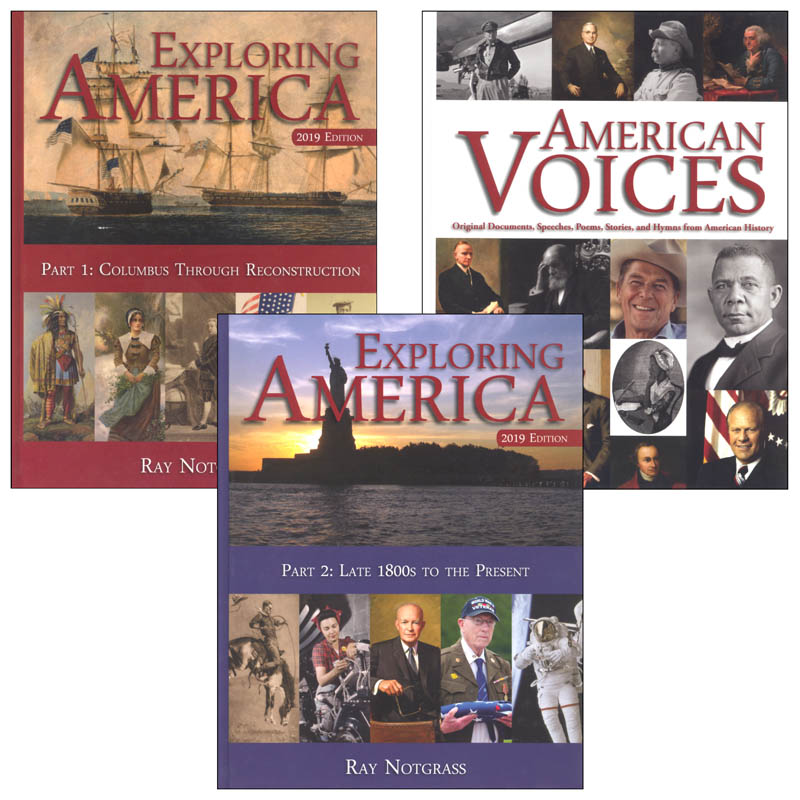
This course is created using the Notgrass Exploring America history curriculum. As we go through American history from the early 1400s to present day, the students will learn that history has a direct influence on our lives today. The students will have a Bible-based history class that will delve into inspiring stories of people who have acted on their faith and made great strides for our country. Students will have the opportunity to go deeper on a topic of their choosing as they prepare for a class presentation each quarter.
Required Materials:
- Notgrass Exploring America: curriculum package (Part 1 & 2, and American Voices)
- Notebook
- Pencil or pen
Christian History
Facilitator: Chuck Mielke
Course Description:
This class environment will allow students to have open discussion regarding the history and development of their faith, as well as examine various texts not easily accessible. Students will engage in guided readings that should offer insight into theological development and provide a foundation for Western Christianity.
This course counts as a high school history (world history) credit!
Required Materials:
- “Christian History Made Easy“ by Timothy Paul Jones.
Critical Thinking
Facilitator: Janessa Godber
Course Description
The vision of this course is to create a learner-driven environment where the “Teacher” is a Guide/Facilitator and the students are in the driver’s seat. This class would replace the requirement to absorb information through traditional lectures with Socratic discussions and offerings of the possibility to tackle real world Quests (hands-on, project-based challenges) that require critical thinking, teamwork, and grit.
The goal is to shift the responsibility of learning from the teacher to the student, fostering a love of learning, independence, critical thinking, and character. Students will be asked to anonymously submit questions and/or talking points for Socratic discussions, and they will be expected to fully participate in all aspects of the class.
Possible Quest Offerings
● The Entrepreneurship Quest (STEAM/Life Skills)
● The Public Policy Quest (Civics & Rhetoric)
● The Medical Biology Quest (Human Anatomy)
● The Survival Quest (STEM/Life Skills)
● The "Trial of the Century" Quest (Civics & Rhetoric)
Required Materials
- The Fallacy Detective
- Readily portable computer with internet capabilities
- Further materials depend on the selected quests
Economics (FALL)
Facilitator: TBA
Course Description:
In this ONE SEMESTER economics course, students will learn about the various types of economies and how they address the various factors in the production, consumption, and transfer of wealth. Students will learn a brief economic history of the United States and other countries so as to compare the different types of economies. This will be accomplished by looking at not only individual and business economic factors but also the economy as a whole. Students will learn about the laws of supply and demand, and the importance and impact of economic policies on our economy. They will also learn how money, trade, and markets work as well as how they are measured, and so much more.
There will be a mix of reading, lectures, current event discussions, and hands-on activities designed to not only teach the various topics, but make it engaging with a semester end project as well.
Required Materials:
- Coming Soon
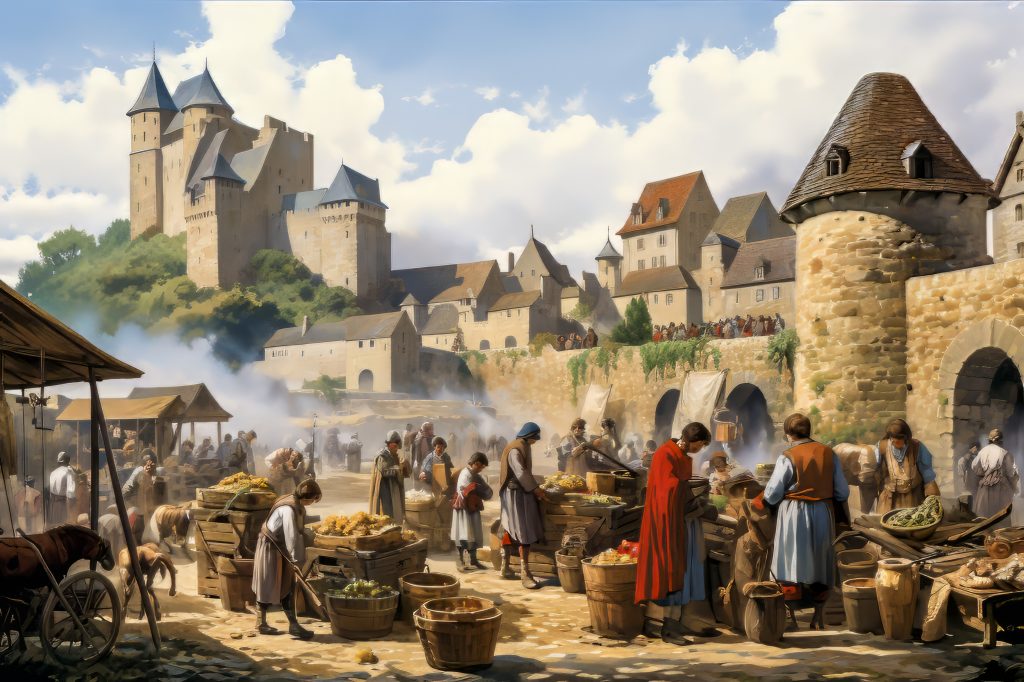
Medieval and Renaissance World History (Project Management Learning)
Facilitator: Jenni Stahlmann
Course Description:
This is an interactive class that will not only teach students about Medieval and Renaissance history, but it will also teach students how to learn any history topic.
Students will watch engaging history videos to prepare for a classroom discussion topic. As they watch, they will be on the hunt for three things:
- When things happened
- Where they happened
- Who was involved
They will create a notebook with a timeline, people pages, and maps.
In class, they will work in project teams to plan and prepare a 15-minute interactive, visually appealing presentation to teach their classmates about a topic of their choice related to the current unit.
Classmates will use a rubric to evaluate one another.
Required Materials:
- 1 1/2-inch binder with the following tab dividers:
- Timeline
- People
- Maps
- 3-hole punched, 2-pocket folder
- Spiral notebook
- Pens, highlighters
Personal Finance (SPRING)
Facilitator: TBA
Course Description:
In this ONE SEMESTER financial literacy and money management course, students will learn basic money skills, including budgeting, saving, and investing. They will also learn how to file taxes, pay bills, and so much more. There will be a mix of reading, lectures, and hands-on activities designed not only to teach the various subjects but also to make it engaging as well.
Some topics to be covered include: banking (including balancing a checkbook), investing (real estate, CD’s, IRA’s), credit cards (positives and negatives), credit score (what is it, why is it important, and how can you protect it), paying for college (different ways to help pay for college and how to choose a college keeping the cost in mind), insurance (health, car, life, renters, and others), paying taxes (we will actually look at a 1040 form), budgeting (the how and why), and other consumer skills.
Required Materials:
- Notebook
- Binder with pocket folder
- Highlighters
- Pens
- Foundations in Personal Finance: Homeschool Edition – Print + Streaming
Email Class Facilitator
Psychology
Facilitator: Ann Prochnow
Course Description
Introduction to Psychology, a high school level course, provides a comprehensive overview of the scientific study of behavior and mental processes. The curriculum covers the foundational history of psychology and transitions into modern perspectives, including biological bases of behavior and cognitive processes like sensation and memory.
We will take a close look at the major branches of the field, evaluating classic theories of development and personality from a grounded Christian viewpoint. Whether you are interested in a future career in counseling or human services or simply want to understand the “how” and “why” behind human nature, this class offers a solid academic foundation, hands on activities, and a space for meaningful interactive discussions.
Required Materials
- Introduction to Psychology and Counseling by Paul D. Meier, Frank B. Minirth M.D., Frank Wichem, Donald Ratcliff
Biblical Worldview
Facilitator: Samantha Sherfy
Course Description
Apologetics in Action is a high school–level course designed to equip students to understand, defend, and confidently explain the Christian faith. Through biblical study and practical apologetics, students will explore the reliability of Scripture, examine common challenges to the Bible, and learn how to respond thoughtfully to a skeptical culture.
Throughout the course, students will investigate topics such as the historical accuracy of the Bible, the meaning of scriptural authority, and how to evaluate claims of contradictions in Scripture. They learn to recognize logical fallacies, assess cultural and philosophical challenges to Christianity, and develop clear, respectful responses grounded in biblical truth.
By the end of the course, students will have strengthened their confidence in the inerrancy of the Bible and gained practical tools for defending their faith with clarity and grace.
Required Materials
- Apologetics in Action (Curriculum Pack) by Ken Ham Blank
- paper (8 ½” x 11”)
- Note paper (8 ½” x 11”/3 hole punched)
- 2″ three-ring binder with tab separators
- Folder to fit in binder (3 hole-punched)

- Lined journal
- Pencils
- Bible (NKJV or preferred translation)
- Pens/highlighters
Girls Bible Study
Facilitator: Amilee Sanders
Course Description
This class is designed to help middle and high school girls develop a deeper understanding of God’s Word and learn how to apply it to everyday life. Together we will explore practical tools for studying the Bible, learning how to observe, interpret, and apply Scripture for ourselves rather than simply relying on what others say.
Students will also discover what the Bible teaches about spiritual gifts and how God uniquely equips each believer to serve Him and others. Through guided discussions and assessments, girls will begin to recognize their own strengths and how they can use them for God’s purposes.
We will also look at what the Bible says about worry and anxiety, learning practical, faith-centered ways to replace fear with trust in God’s promises.
Required Materials
- Binder
- pencils
- markers
- Bible
- notebook paper
Book List
Advanced Java
Facilitator: Kai Kishpaugh
Course Description
This course introduces AP Computer Science–level material along with data structures and algorithms typically found in sophomore- or junior-level college computer science courses.
Required Materials
- Prior Python experience or a passing score on a coding assessment
- A solid understanding of loops, conditionals, variables, lists, and functions
- Readily portable computer with internet capabilities
Beginner Coding with Python
Facilitator: Kai Kishpaugh
Course Description
Digital Media (Social Media Marketing)
Facilitator: Chuck Mielke
Course Description
Required Materials
- Digital Camera that films in at least 1080 resolution (newer phone camera is probably sufficient);
- computer capable of internet access (preferably an Apple computer with an M2 or newer processor).
NOTE* An iPad or tablet is not sufficient for video editing.
Game Development with Scratch
Facilitator: Kai Kishpaugh
Course Description
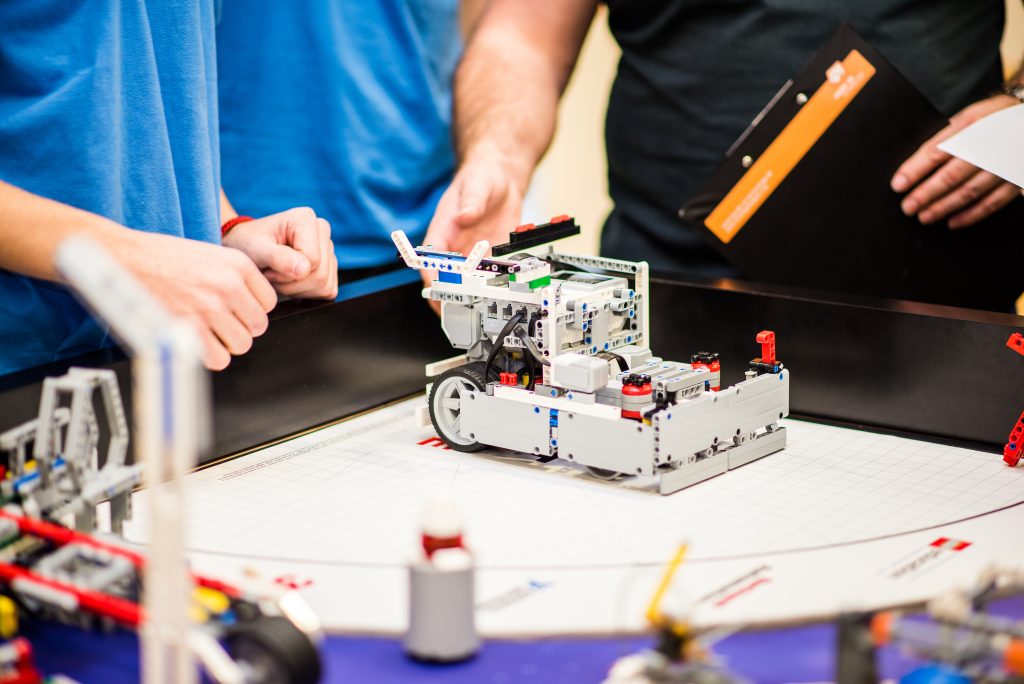
Lego Engineering
Facilitator: Chuck Mielke
Course Description
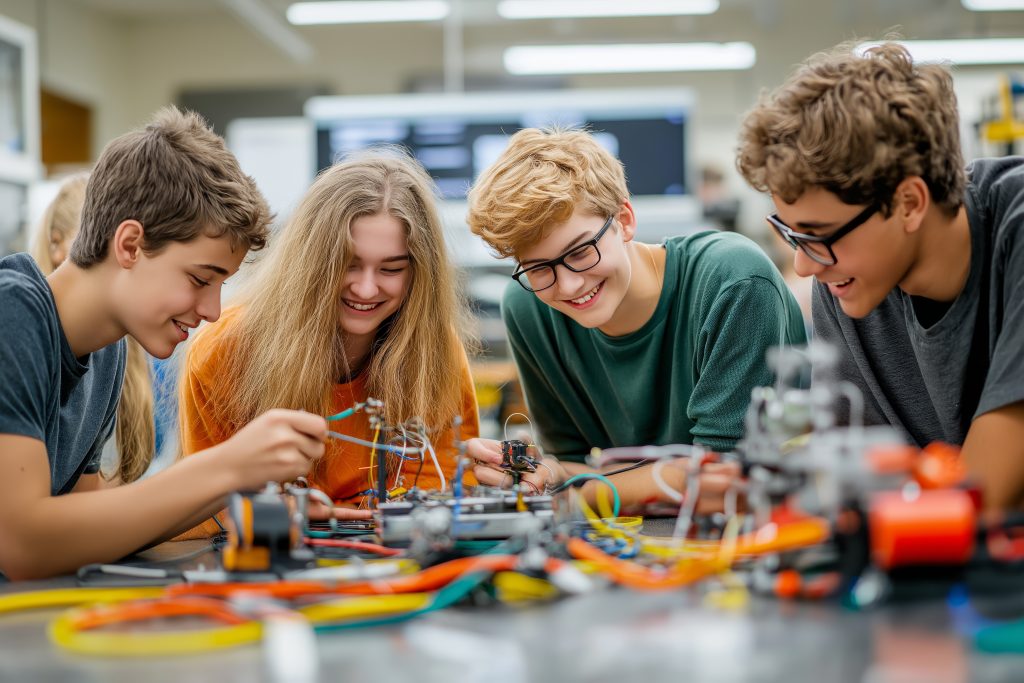
Robotics
Facilitator: Kai Kishpaugh
Course Description
Art
Facilitator: Ella Pena
Course Description
Comics and Illustration
Facilitator: Ella Pena
Course Description
- Maintaining a sketchbook and filling it with characters, creatures, and ideas
- Pen and ink techniques used by real comic artists
- Lettering and word bubbles
- Character design, from first sketch to finished look
- Building multi-panel comics from thumbnail to final page
- Live sketching from real life subjects and how we use live reference for comic ideas and character design
- Printing your characters onto stickers and t-shirts
- A final portfolio showcase of your best work from the year
Cooking Around the Globe
Facilitator: Andrea Healey
Course Description
Embark on a culinary journey across continents as we explore how culture, geography, and tradition shape the world’s flavors. Students will dive into a new country’s cuisine, learning how signature herbs, spices, and cooking techniques tell the story of that region’s identity. From aromatic spice blends to vibrant sauces and bold flavor pairings, students will gain a deeper understanding of how food reflects history, community, and creativity.
This is a hands-on, flavor-forward class designed for students who are ready to expand their palate and cook with confidence. We will discuss the origins of each dish, examine the ingredients that define a culture’s cuisine, and practice techniques that bring those flavors to life.
Important Notes:
- Students must be willing to experiment with new ingredients, spices, and global flavor profiles.
- Recipes must be followed as written to ensure authentic results and proper technique.
- This class is not allergy-friendly. Substitutions for food allergies or dietary restrictions cannot be accommodated and may affect the dish’s outcome.
- This is a fast‑paced, advanced‑level cooking class. Students must already have solid kitchen skills, including confident knife work, safe chopping, and the ability to cook independently without step‑by‑step assistance.
Students who join this class should come ready to be bold, curious, and adventurous as we cook our way around the world.
Required Materials
Apron
Hair net
Crockpot
Power Strip
Extension Cord 10 or 12 gauge cord
1-½” Binder
Tab Dividers
Page Protectors
Knife Set
Oven Mits
Cutting Board
Measuring Cups and Spoons
Cooking Utensils (Ex. Spatula, Large Spoon, Tongs, Whisk, etc.)
Two-Burner Hot Plate
Pots and Pans (Ex. Sauce Pan, Frying Pan, Soup Pot, etc.)
Mixing Bowls
Strainer
Peeler
Can Opener
Scissors
Culinary Science
Facilitator: Andrea Healey
Course Description
Required Materials
Apron
Hair net
Crockpot
Power Strip
Extension Cord 10 or 12 gauge cord
1-½” Binder
Tab Dividers
Page Protectors
Knife Set
Oven Mits
Cutting Board
Measuring Cups and Spoons
Cooking Utensils (Ex. Spatula, Large Spoon, Tongs, Whisk, etc.)
Two-Burner Hot Plate
Pots and Pans (Ex. Sauce Pan, Frying Pan, Soup Pot, etc.)
Mixing Bowls
Strainer
Peeler
Can Opener
Scissors
Gardening
Facilitator: Janessa Godber
Course Description
In this learner-led class, young heroes will be given the opportunity to transform a patch of Florida soil into a thriving ecosystem. Students will move beyond traditional “how-to” instruction in this course and begin to problem solve through research, and trial and error. The Socratic method will be used to challenge students to solve the real-world problems of a Florida grower: unpredictable pests, sandy soil, and the intense subtropical sun. They will also have to solve the problem of what happens with the garden when everyone is off site for a week along with solving these problems within their given budget.
Learners will take full ownership of their plots, moving from “Apprentice” to “Master Gardener” as they prepare for two major public exhibitions that test their skills, business acumen, and scientific understanding.
Required Materials
- Students should have a laptop for research purposes to use in class.
Home Apothecary and Gardening (Rooted in Creation)
(4th – 12th grades)
Facilitator: Erin Aleo
Room: 428
Course Description
“Their fruit will be for food, and their leaves for healing.”—Ezekiel 47:12 In this hands-on class, students will explore God’s creation through plants, natural remedies, and traditional homestead skills. Each week, we will learn about herbs and their uses while making practical items such as salves, herbal oils, teas, soaps, sprays, and more. Rooted in a biblical perspective, students will be encouraged to see the beauty, purpose, and provision God has placed in the natural world.
This class emphasizes simple skills that can be used in everyday life, along with creativity, stewardship, and appreciation for God’s design. Students will leave with a variety of handmade items and a growing understanding of how plants can be used in the home.
Required Materials
- 3-ring binder
- Page protectors
- Pencils
- Colored pencils
- Crayons (K–3rd grade)
How to Run a Business
Facilitator: Bonnet Charles
Room: TBA
Course Description
Required Materials
- Coming Soon
Photography
Facilitator: Bonnet Charles
Room: 101
Course Description
Required Materials
- Camera
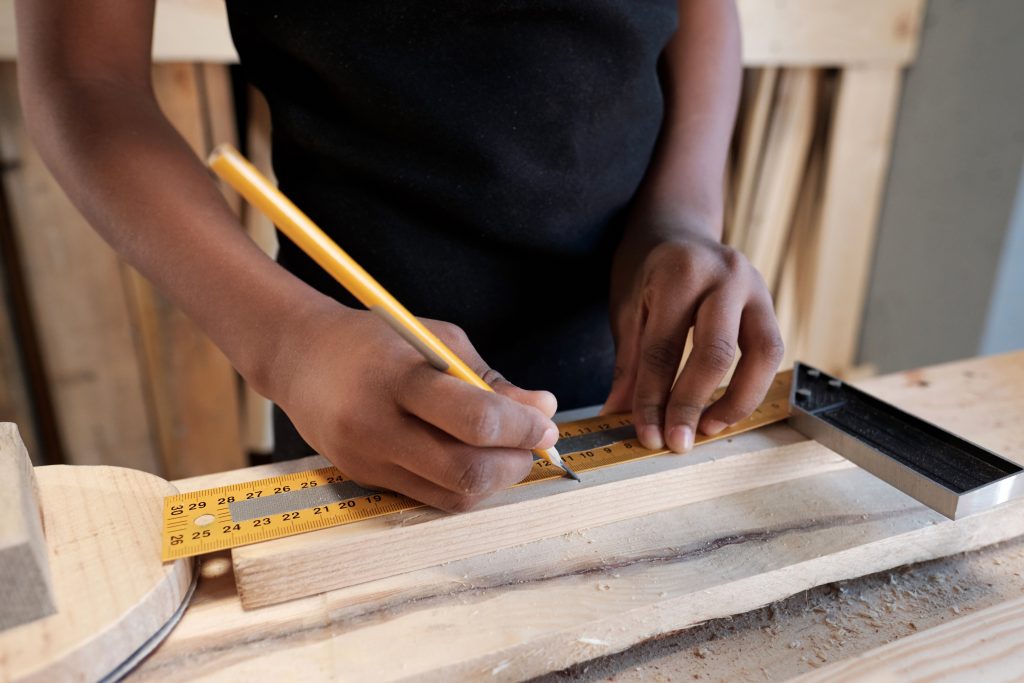
Woodworking
Facilitator: Rob Bitz, Keegan Climo, Corey Gens
Course Description
Required Materials
- Pencil
- Paper
- Tape measure (at least 12 feet)
Writing and Recording Music
Facilitator: Kai Kishpaugh
Course Description
Required Materials
- Readily portable computer with internet capabilities
- Keyboard and/or guitar
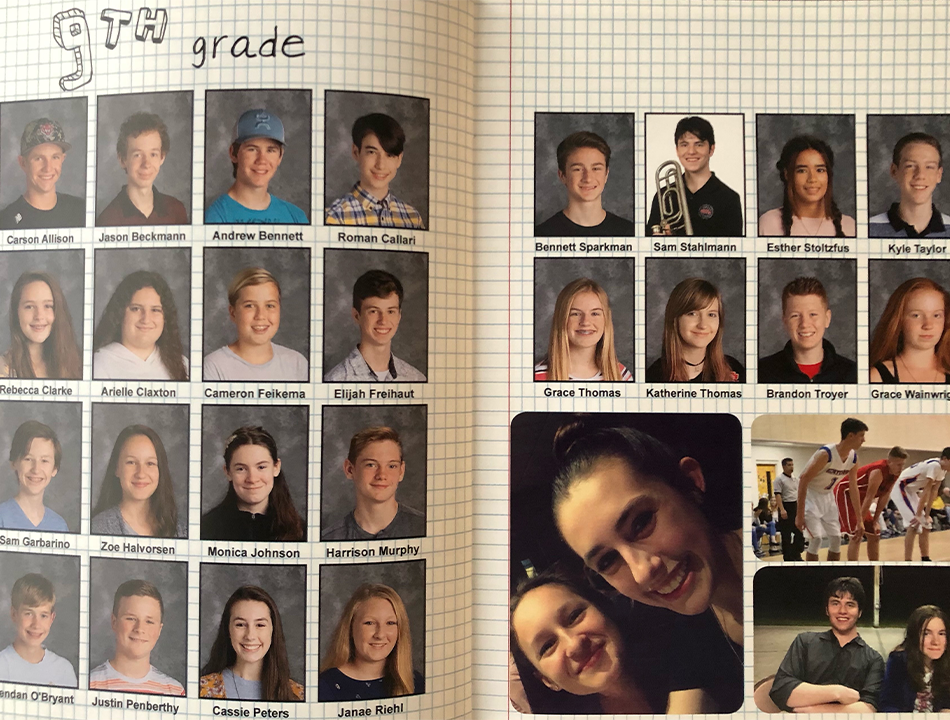
Yearbook and Visual Storytelling
Facilitator: Bonnet Charles
Course Description
Required Materials
- Laptop with Internet Capability